
Understanding AI in Freight Forwarding
Artificial intelligence (AI) is no longer an emerging technology within the logistics industry. It has become an operational tool that is helping freight forwarders, shipping lines, ports, warehouses and customs brokers make faster decisions, reduce costs and improve visibility across increasingly complex global supply chains.
From predicting shipping delays before they happen to automating documentation and optimising transport routes, AI is changing the way international freight moves around the world.
However, while the opportunities are significant, AI is not a silver bullet. Successful implementation requires investment, high quality data, experienced people and careful consideration of ethical, operational and environmental challenges.
This guide explores how AI is being used throughout freight forwarding today, where the technology is delivering measurable value, and why human expertise remains one of the industry's most valuable assets.
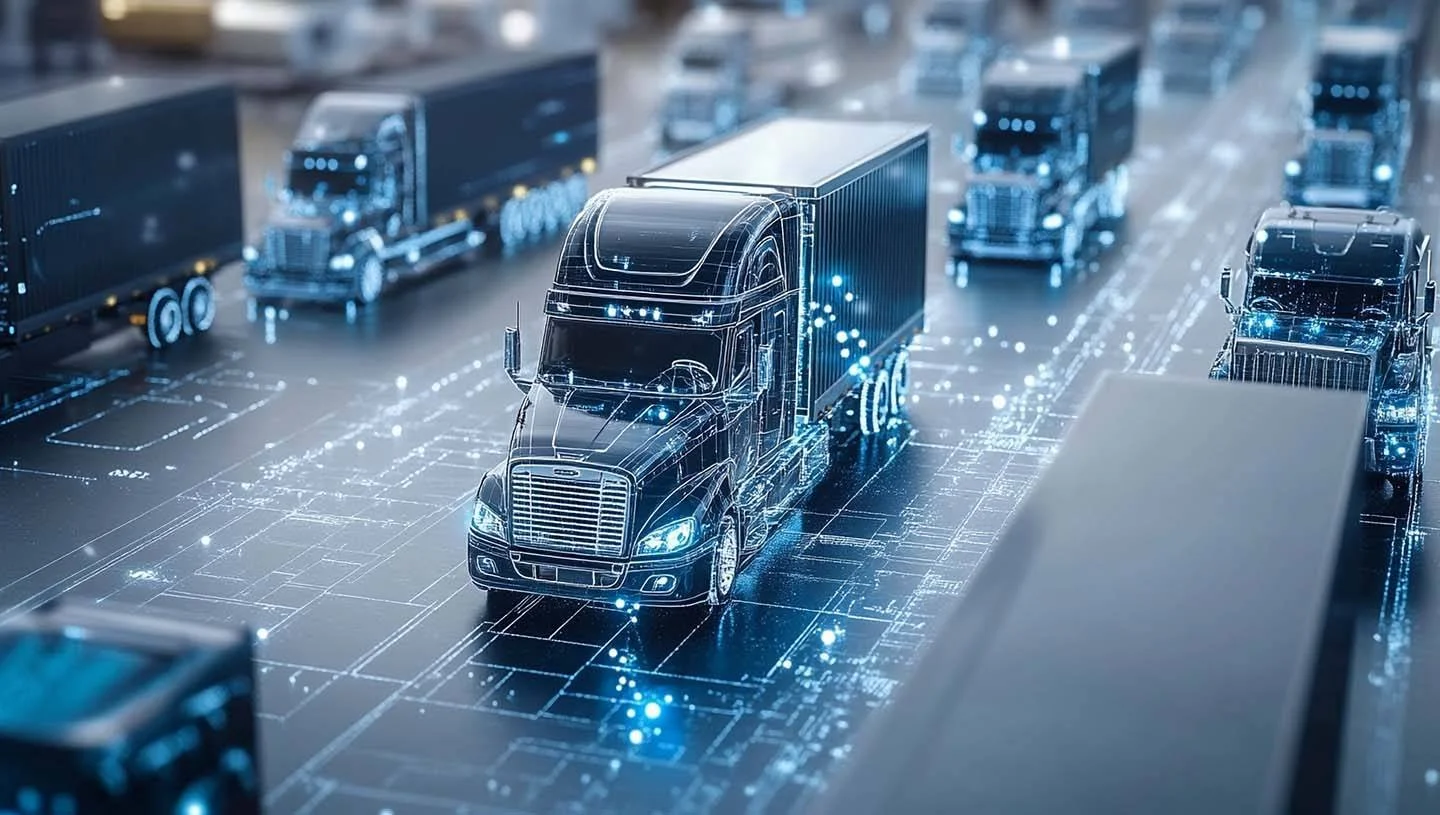
What Is AI in Freight Forwarding?
Artificial intelligence refers to computer systems capable of analysing vast amounts of data, identifying patterns and making predictions that would be impossible for humans to calculate at the same speed.
Within freight forwarding, AI is primarily used to support decision making rather than replace it.
Modern AI systems can analyse shipping schedules, weather conditions, customs requirements, warehouse inventory, fuel consumption, port congestion and transport capacity simultaneously.
This allows logistics providers to react faster when disruptions occur and make better informed operational decisions.
Typical applications include:
Route optimisation
Demand forecasting
Shipment tracking
Predictive maintenance
Customs documentation
Warehouse automation
Customer service automation
Risk analysis
Carbon emissions monitoring
Rather than replacing freight professionals, AI enables them to focus on solving complex logistics challenges while repetitive administrative tasks become increasingly automated.

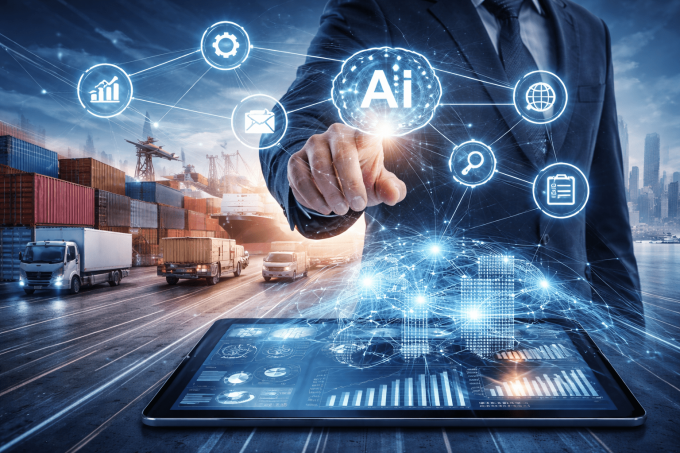
Applications of AI in the Logistics Industry
-
AI algorithms are used to evaluate variables such as transit time, fuel costs, congestion, and port delays. By analysing real-time and historical data, AI helps forwarders select more efficient routes, reducing costs and emissions.
-
AI predicts potential delays, seasonal shipping peaks, and the risk of disruptions due to weather, strikes, or geopolitical events. This allows companies to plan proactively rather than reactively.
-
Some forwarders are using AI to assist with generating, checking, and validating documents such as commercial invoices, bills of lading, and customs declarations, helping reduce human error and speed up processing.
-
AI-driven tools like chatbots and dashboards provide real-time updates on shipments, answer common queries, and alert users to potential issues, improving customer communication and transparency.
Why AI Has Become So Important in Logistics?
Global supply chains have become significantly more complex over the last decade.
Businesses now face:
Port congestion
Geopolitical disruption
Labour shortages
Rising transport costs
Increasing customer expectations
Growing regulatory requirements
The sheer volume of information generated across international shipping makes manual decision making increasingly difficult.
Artificial intelligence provides the ability to process millions of data points in real time, helping businesses react more quickly than traditional planning methods allow.
-
DHL has become one of the logistics industry's leading adopters of artificial intelligence, integrating AI across transport planning, warehouse operations and customer service. Rather than implementing AI as a standalone technology, DHL has embedded it throughout its logistics network to improve operational decision-making.
One of the company's flagship initiatives is the Logistics Trend Radar, which identifies emerging technologies and practical applications for AI across supply chains. DHL uses AI-driven advanced analytics to process large volumes of operational data, including transport schedules, inventory levels, weather patterns and geopolitical events, helping customers anticipate disruptions before they impact deliveries.
In warehouse environments, DHL has also explored computer vision systems that improve workplace safety, monitor inventory movement and identify operational bottlenecks. AI-powered audio monitoring is being trialled for predictive maintenance by detecting subtle changes in machinery sounds before equipment failures occur.
Challenges
DHL has been equally transparent about the barriers to implementation. According to its research, successful AI adoption depends on:
High-quality and secure operational data.
Significant computing infrastructure.
Employee training in data science and AI tools.
Compliance with privacy regulations such as GDPR.
Ensuring AI recommendations remain transparent and explainable.
Key Takeaway
DHL's experience demonstrates that AI is most effective when integrated into existing logistics processes and supported by skilled employees, rather than deployed as a replacement for human expertise.
Source: DHL Insights & Innovation
Negative Environmental Impacts
While AI can optimise efficiency, the freight forwarding industry as a whole still has significant environmental impacts:
High carbon emissions from air and road transport
Fuel consumption and associated greenhouse gases from shipping operations
Energy use for warehousing, packaging, and data centres supporting AI systems
Potential increase in transportation due to faster decision-making and demand responsiveness
Awareness of these impacts is important for companies aiming to balance technological advancement with sustainability goals.
The International Energy Agency highlights that while digital technologies can improve transport efficiency, growing demand for data centres increases global energy consumption. Maximising AI's sustainability benefits therefore depends on cleaner energy sources, efficient infrastructure and responsible implementation.
Source: IEA Digitalisation Resources
Benefits Observed Across the Industry
Increased efficiency and faster processing
Reduced operational costs for forwarders
Improved accuracy in documentation and compliance
Enhanced visibility and transparency
Better decision-making based on data insights
Research from McKinsey & Company suggests AI can reduce forecasting errors by up to 50%, lower warehousing costs by 10–40%, and reduce administrative costs by 25–40% through automation and better planning.
Source: McKinsey Operations Insights
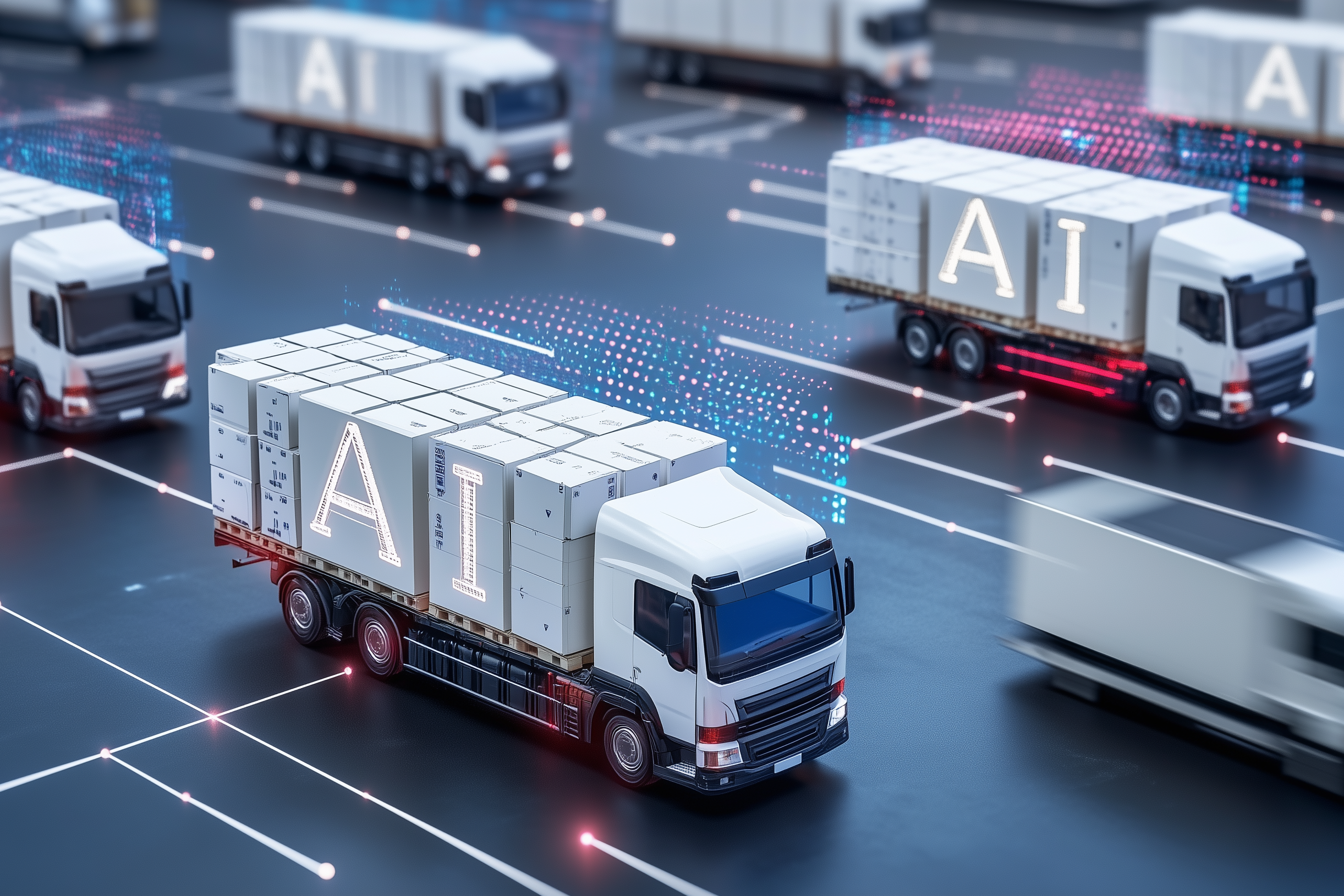
Challenges for Adoption
Data Quality
Artificial intelligence is only as good as the information it receives.
Incomplete, outdated or inaccurate shipping data can produce unreliable recommendations.
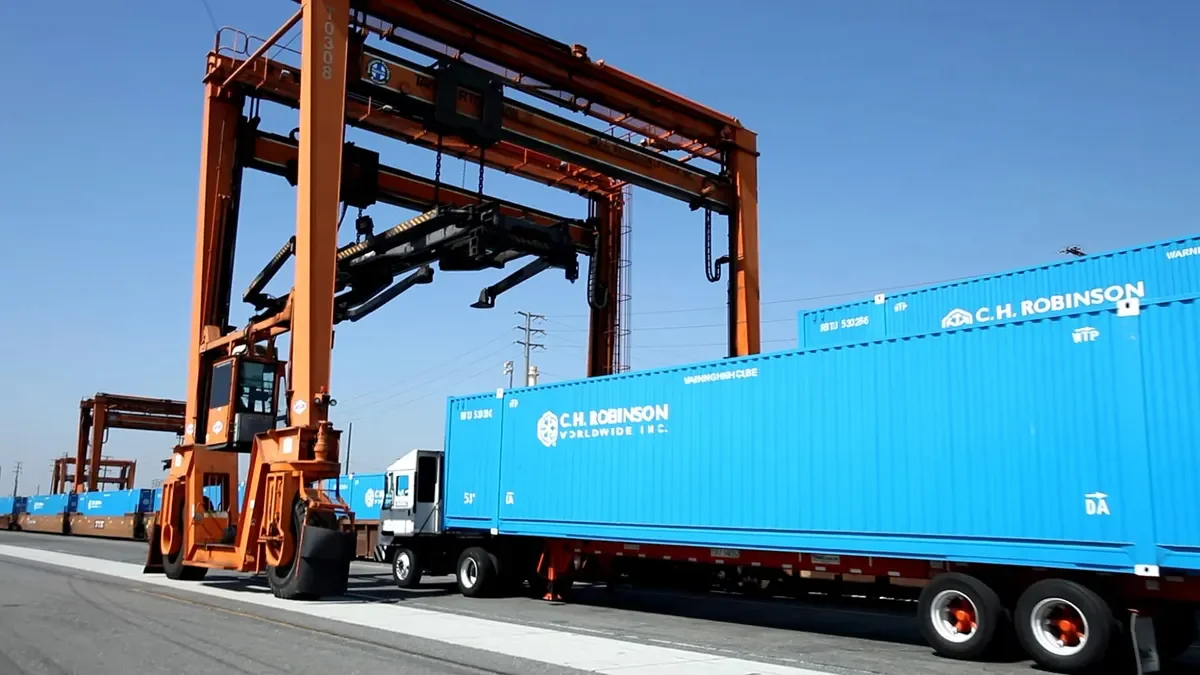
C.H. Robinson has spoken publicly about the biggest challenge not being the AI itself, but the quality and consistency of logistics data.
The company noted that fragmented systems, inconsistent customer data and legacy software made it difficult to deploy AI at scale. Before advanced AI models could be effective, significant work was required to standardise and clean operational data.
Skills and Change Management
Technology alone cannot improve logistics.
Employees require training to understand AI recommendations, validate outputs and continue making informed commercial decisions.
Human oversight remains essential.
System Integration
Many freight forwarders operate multiple legacy systems.
Connecting AI platforms with transport management systems, customs software and warehouse platforms often requires significant investment.
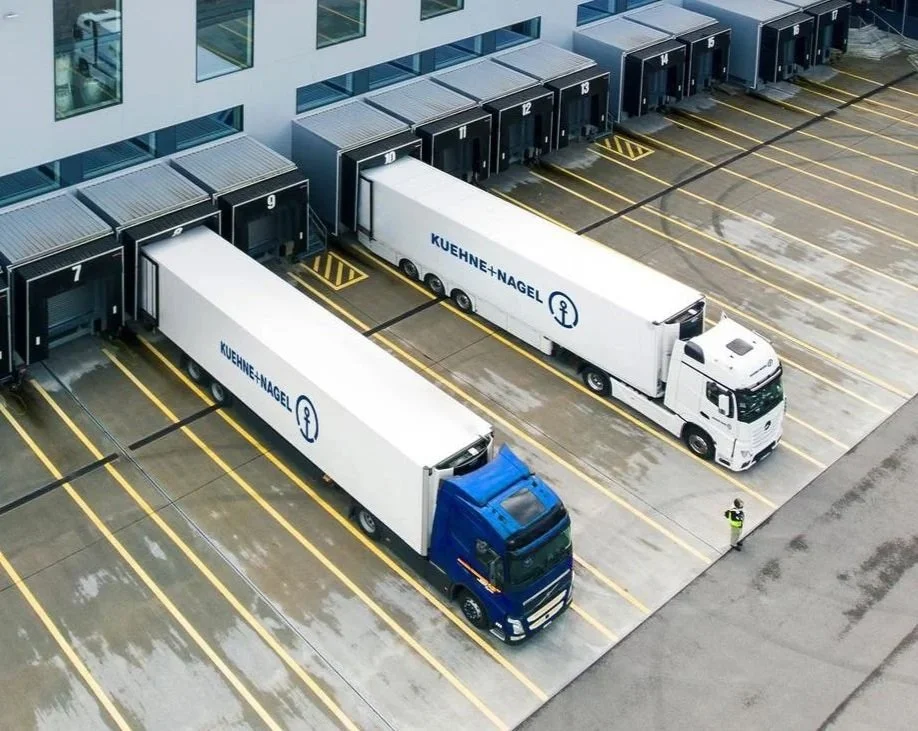
Kuehne+Nagel has invested heavily in AI and digital transformation but has acknowledged that integrating modern AI capabilities into decades-old transport management systems is one of the largest technical challenges.
Cybersecurity
As freight companies become increasingly digital, protecting operational data becomes more important than ever.
AI systems require strong cybersecurity measures to safeguard commercial information and maintain customer trust.

Final Thoughts
Artificial intelligence is no longer a concept reserved for future logistics strategies. It is already influencing how freight moves around the world.
Leading organisations including DHL, Maersk, UPS and Amazon have demonstrated that AI can improve visibility, increase efficiency, reduce costs and strengthen operational resilience when implemented responsibly.
However, AI should be viewed as an enabler rather than a replacement for human expertise. Freight forwarding remains a people-driven industry built on relationships, experience and informed decision making.
Businesses that successfully combine intelligent technology with knowledgeable logistics professionals will be best placed to navigate the increasingly complex world of global trade.