
International Customs Clearance Explained for UK Businesses
If you're importing or exporting goods for the first time, customs can feel like the most confusing part of international trade.
Terms like commodity codes, EORI numbers, customs declarations, Incoterms and duty calculations are often thrown around without much explanation, leaving many businesses wondering whether they're missing something important.
The truth is that customs clearance isn't designed to be difficult. It's simply a legal process that ensures goods entering or leaving a country are declared correctly, any taxes or duties are paid, and regulations are followed.
When everything is completed accurately, your goods move through the border with minimal disruption.
When it isn't, delays, inspections, storage charges and penalties can quickly follow.
This guide explains customs clearance in plain English, helping first-time importers and experienced traders alike understand how the process works and how to avoid common mistakes.
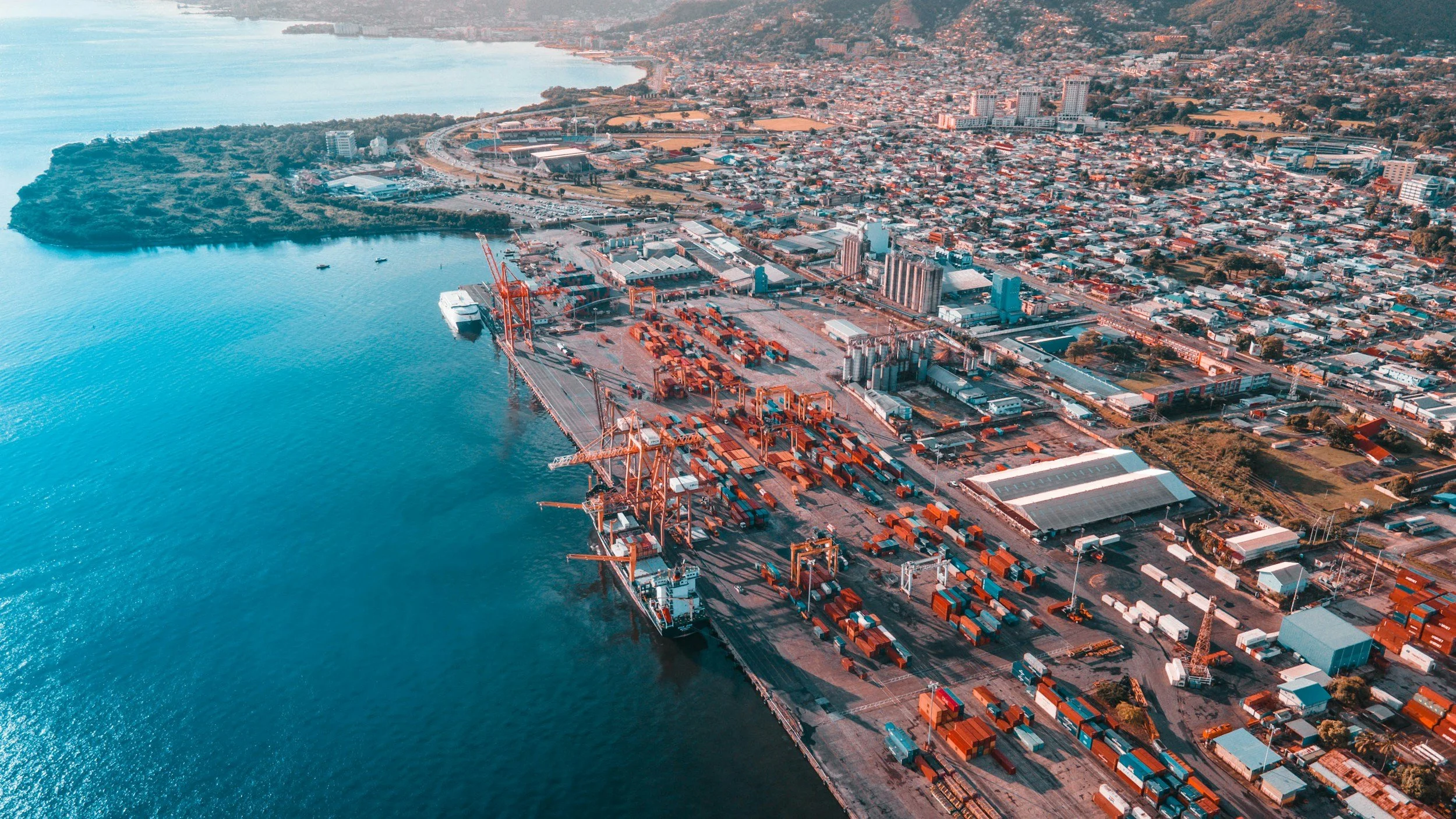
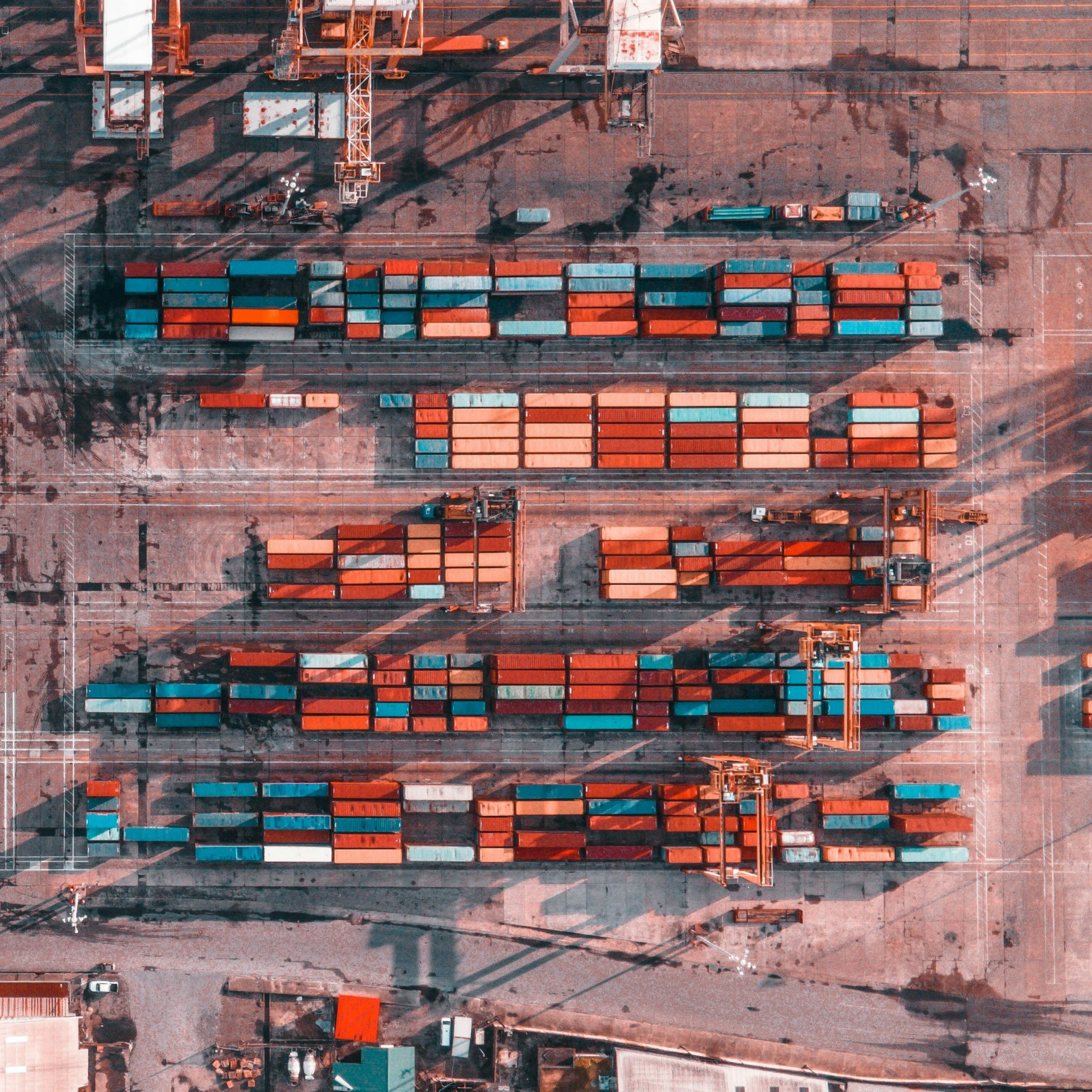
Shipping container Port
What is a Customs Clearance?
Customs clearance is the process of obtaining permission from customs authorities for goods to enter or leave a country.
Every international shipment must be declared.
That declaration tells customs:
what the goods are
where they came from
where they're going
who owns them
how much they're worth
whether duty or VAT is payable
whether any licences or certificates are required
Only once customs is satisfied can the shipment continue its journey.
Think of customs as the passport control for your goods.
Who Is Responsible for Customs Clearance?
The importer of record is legally responsible for customs clearance. This means the UK business importing the goods is accountable for the accuracy of the information provided, even if a freight forwarder or customs broker submits the declaration on their behalf.
Many UK importers choose to work with a customs clearance agent to handle the technical side of the process, but responsibility always remains with the importer.
What Information Is Needed for UK Customs Clearance?
To clear goods through UK customs, several key pieces of information are required:
Customs value of the shipment
Country of origin
Commercial invoice and packing list
Errors in any of these areas can result in delays, inspections, or additional charges.
Duties & VAT
One of the biggest surprises for new importers is discovering that shipping isn't the only cost.
You may also need to pay:
Import Duty
Import VAT
Port charges
Customs clearance fees
Storage charges (if delayed)
The amount of duty depends on:
the commodity code
country of origin
customs value
any applicable trade agreements
Planning for these costs before ordering goods helps avoid unexpected expenses.
Common Customs Mistakes
The majority of customs delays aren't caused by customs officers.
They're caused by incorrect information being submitted.
Some of the most common mistakes include:
Incorrect commodity codes
Missing commercial invoices
Wrong customs values
Incorrect country of origin
Missing licences
Incorrect Incoterms
Poor descriptions such as "parts" or "samples"
Providing accurate information from the start significantly reduces the risk of delays.
-
The exporter prepares documents including:
Commercial Invoice
Packing List
Transport documents
Certificates if required
-
Every product receives a commodity code.
This determines:
duty rates
VAT treatment
import restrictions
licensing requirements
whether inspections are needed
Getting this wrong is one of the most common causes of customs problems. HMRC expects goods to be classified accurately before they are declared
-
This includes:
commodity code
customs value
origin
weight
transport details
importer and exporter information
-
Most shipments are released automatically.
Some may be selected for:
documentary checks
physical inspections
additional information
Selection doesn't automatically mean something is wrong.
-
If applicable:
Import Duty
Import VAT
Excise Duty (where relevant)
Once everything is complete, customs releases the shipment.
How Long Does Customs Clearance Take?
If paperwork is correct, customs clearance can be completed very quickly, sometimes within hours. However, if HMRC selects a shipment for inspection or queries the declaration, clearance can take days or longer.
Clearance times also depend on how prepared the importer is and whether documents are submitted correctly before arrival.
Why Customs Clearance Matters More Than Ever
Since Brexit, customs clearance has become a more visible and critical part of importing into the UK. Goods that previously moved freely now require full declarations, and enforcement has increased.


Beth Christensen
Customs Coordinator
Final Thoughts
For UK importers, understanding the basics of customs clearance helps reduce risk, avoid delays, and control costs.
Effective customs clearance relies on accurate information, correct classification, and experienced support.
If you want to reduce delays and ensure compliance, ARC Forwarding can manage your customs clearance and provide expert guidance.

Need help with your Customs? Let us know how we can help below!
Call 01274 008082
🚢
Email Info@arcforwarding.com
✈️
Call 01274 008082 🚢 Email Info@arcforwarding.com ✈️
Frequently Asked Questions
-
Customs clearance is the legal process of declaring goods to customs authorities before they can enter or leave a country.
-
This depends on the agreed Incoterms between buyer and seller.
-
Customs may request additional documentation, inspect the goods or ask for clarification before releasing the shipment.
-
Yes. Although many shipments clear electronically, customs authorities have the right to inspect any shipment.
-
Yes. Goods moving between Great Britain and the EU generally require customs declarations following Brexit.