
Red Sea and Strait of Hormuz Update: Tanker Hit as Maritime Security Threat Level Increases.
The security situation in the Strait of Hormuz remains highly unpredictable after another commercial tanker was reportedly struck while transiting one of the world's most important shipping routes.
The incident comes only days after a ceasefire raised hopes that tensions across the Middle East were beginning to ease. Instead, maritime security organisations have responded by increasing the regional threat level, highlighting that risks to commercial shipping remain very real.
For businesses moving freight internationally, this is the latest development in an already challenging period for global supply chains.
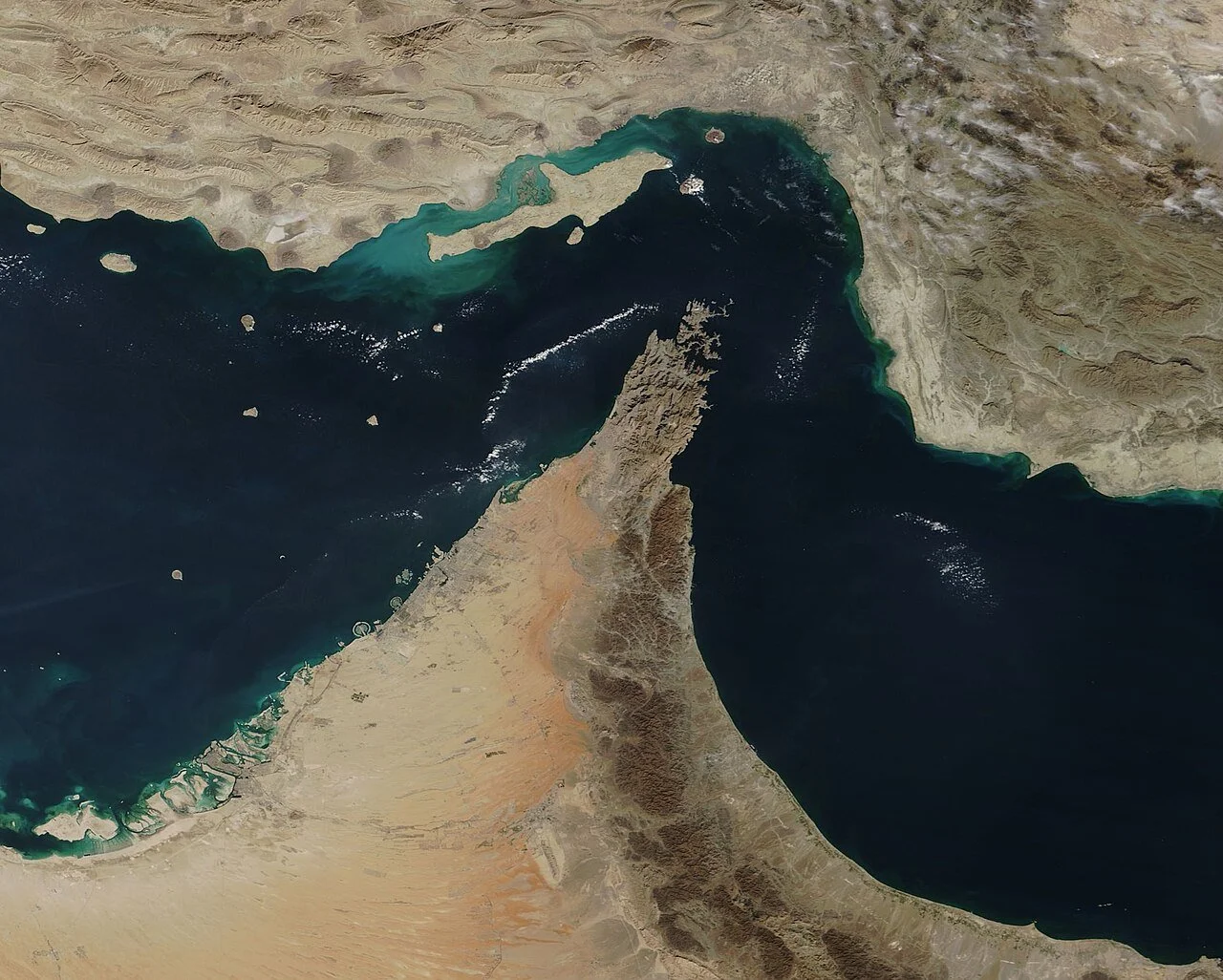
Strait of Hormuz

Latest Strait of Hormuz update
A commercial oil tanker has been damaged after being struck by a projectile while transiting the Strait of Hormuz, prompting maritime authorities to raise the regional threat level and renewing concerns over security in one of the world's busiest shipping lanes.
The incident involved the Panama-flagged tanker Kiku, which was attacked on Saturday, 27 June, while sailing through the strategic waterway between Iran and Oman. According to reports from the UK Maritime Trade Operations (UKMTO), the vessel sustained damage to its bridge, but all crew members were reported safe and the tanker remained afloat.
This wasn't an isolated event.
Just two days earlier, another commercial vessel, the Singapore-flagged container ship Ever Lovely, was reportedly struck by an Iranian drone while transiting the same waterway. The two incidents in quick succession prompted maritime security organisations to reassess the level of risk facing commercial shipping.
Where did the incident happen?
The attack occurred in the Strait of Hormuz, the narrow shipping corridor linking the Persian Gulf with the Gulf of Oman and the Arabian Sea.
Although only around 21 miles (34 km) wide at its narrowest point, the strait is one of the most strategically important maritime routes in the world. Around 20% of global oil supplies pass through the waterway each day, making any disruption a concern for international energy markets and global shipping

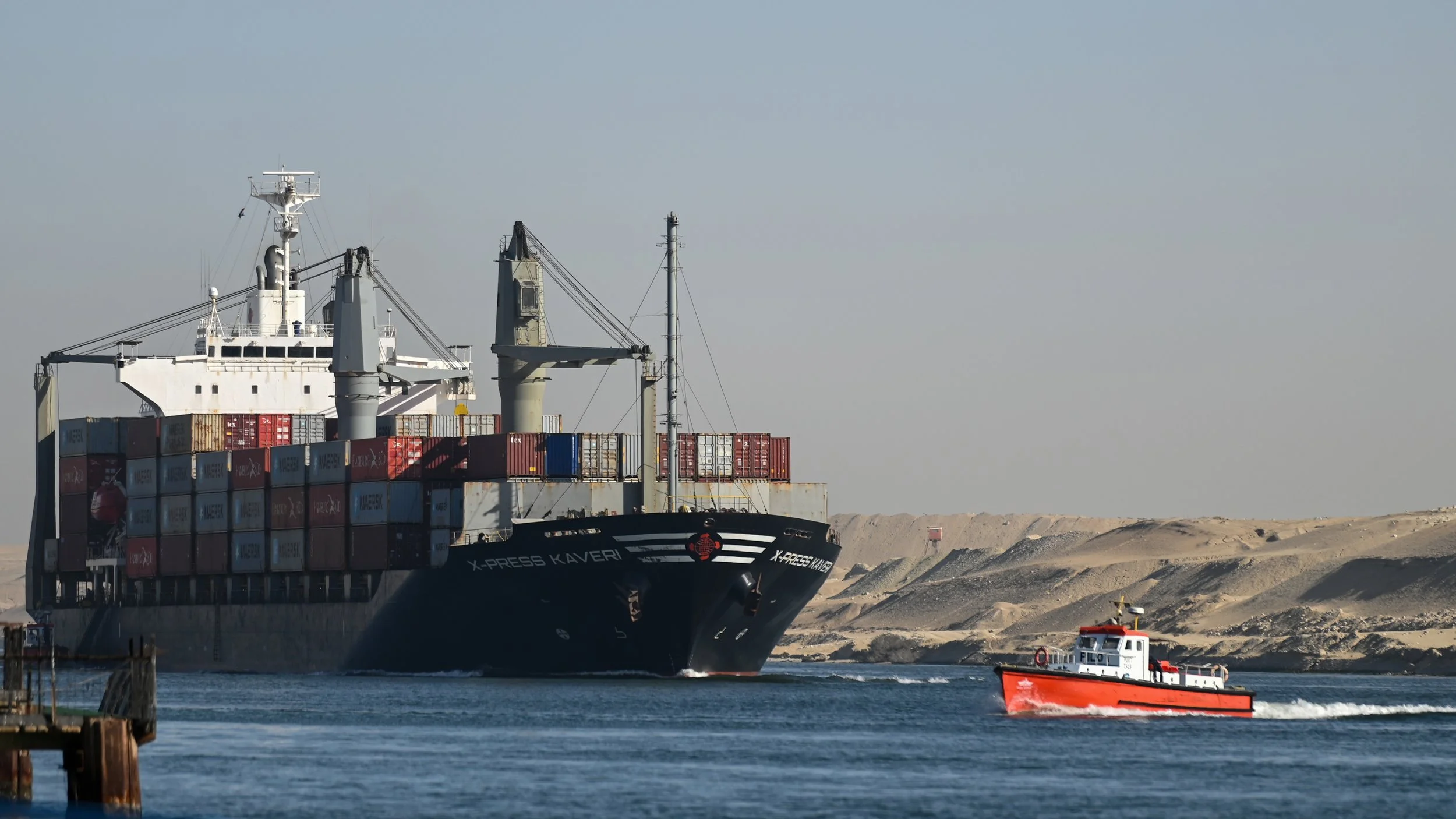
Container Ship in the Red Sea
How does this affect shipping in the the Red Sea?
While this latest attack took place hundreds of miles away from the Red Sea, both regions are vital components of global trade routes linking Asia, the Middle East and Europe.
Many shipping lines have already spent months diverting vessels around the Cape of Good Hope because of security risks in the Red Sea. Renewed instability in the Strait of Hormuz creates another potential pressure point for carriers already dealing with longer voyages, increased operating costs and unpredictable schedules.
For now, commercial vessels continue to transit the Strait of Hormuz, and there have been no widespread disruptions to container shipping services.
What could happen next?
The immediate impact is likely to be felt in operational costs rather than shipping capacity.
If attacks continue, the industry could see:
Higher war risk insurance premiums
Increased naval escorts and security procedures
Additional operating costs for shipowners
Greater volatility in freight markets
Potential schedule adjustments if security deteriorates further
Energy markets are also watching developments closely, as any sustained disruption in the Strait of Hormuz could influence global oil prices and fuel costs.
Should importers and exporters be concerned?
There is currently no indication that businesses need to panic.
Ports remain operational, container services continue to move cargo, and most supply chains are functioning normally.
However, businesses importing or exporting goods should remain aware that geopolitical events can change rapidly. Having visibility over shipments and working with experienced freight forwarding partners becomes increasingly valuable during periods of uncertainty.
ARC Forwarding's view
The situation across both the Red Sea and the Strait of Hormuz remains fluid.
We'll continue monitoring developments from shipping lines, maritime security organisations and port operators. If the situation begins to affect transit times, freight costs or shipping schedules, we'll provide updates to help businesses understand exactly what is changing and what it means for their supply chains.
As always, our priority is keeping our customers informed before disruption becomes a problem.