Shenzhen Port and Bureau Veritas Double Down on Green Shipping Corridors
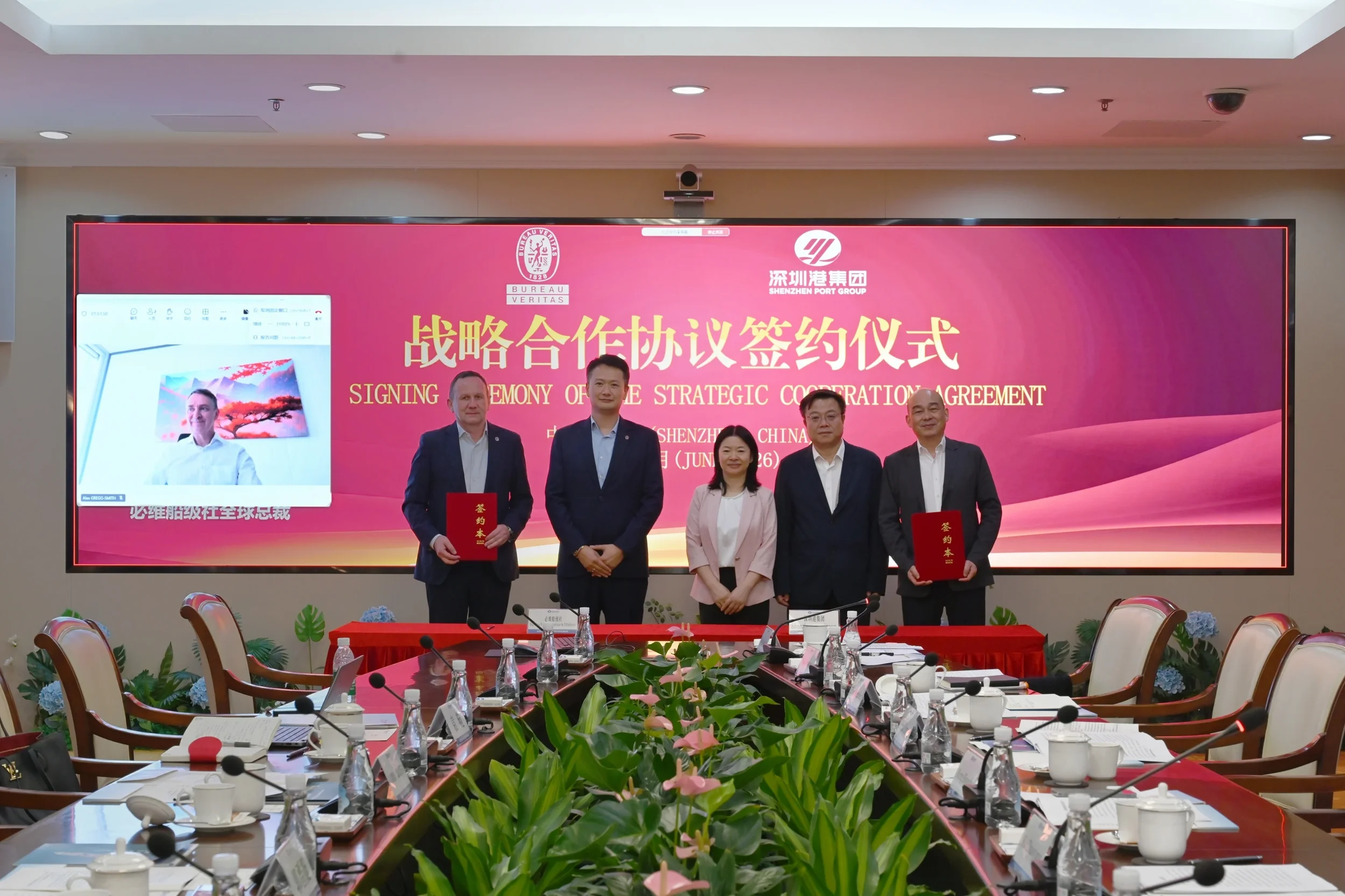
As governments, ports and shipping lines race to decarbonise global trade, Shenzhen Port Group and Bureau Veritas (BV) have announced a strengthened strategic partnership aimed at accelerating the development of green shipping corridors.
The agreement represents another significant milestone in China's ambition to position Shenzhen as one of the world's leading sustainable maritime hubs, while supporting the International Maritime Organization's long-term emissions reduction targets.

What Is a Green Shipping Corridor?
A green shipping corridor is a dedicated maritime trade route where ports, shipping companies, cargo owners and regulators work together to significantly reduce greenhouse gas emissions.
Rather than focusing on a single vessel or terminal, these corridors coordinate investment across the entire supply chain, including:
Alternative marine fuels
Shore power infrastructure
Digital voyage optimisation
Low emission port operations
Carbon reporting and verification
The ultimate goal is to create commercially viable zero or near-zero emission shipping routes that can eventually become the global standard.


The New Agreement
Under the new Strategic Cooperation Agreement, Shenzhen Port Group and Bureau Veritas will deepen collaboration to accelerate the development of green shipping corridors while supporting Shenzhen's transition into a global low-carbon maritime hub.
The partnership will focus on:
Maritime decarbonisation
Carbon reduction verification
Green fuel development
Digital innovation
Sustainable port operations
International collaboration
As one of the world's busiest container ports, improvements made in Shenzhen have the potential to influence shipping practices across major Asia-Europe and Trans-Pacific trade lanes.
Why It Matters
Shipping moves approximately 80% of world trade by volume, making it one of the most important industries to decarbonise if countries are to meet global climate targets.
Although maritime transport remains one of the most carbon-efficient methods of moving freight, the sector still accounts for around 3% of global greenhouse gas emissions, according to the International Maritime Organization.
With increasing regulatory pressure and customer demand for lower-carbon supply chains, ports are becoming critical players in reducing emissions rather than simply acting as cargo gateways.
Industry Momentum Is Growing
Shenzhen is not acting alone.
Recent months have seen several major ports announce similar sustainability initiatives.
These include:
Barcelona and Shanghai establishing a "sister ports" agreement focused on alternative fuels and green shipping corridors.
The first formal green shipping corridor between France and China, bringing together ports, shipping lines and classification organisations to reduce emissions on one of the world's busiest trade routes.
APM Terminals' Suez Canal Container Terminal committing to operate using 100% renewable electricity under a new power purchase agreement.
Collectively, these projects signal a broader shift away from isolated sustainability initiatives towards internationally coordinated decarbonisation programmes.

What This Means for Importers and Exporters
For businesses moving cargo internationally, developments like these may eventually deliver benefits beyond environmental performance.
Potential advantages include:
Lower lifecycle transport emissions
Improved ESG reporting
Better compliance with future carbon regulations
Greater transparency throughout supply chains
Enhanced access to low-carbon logistics solutions
Many multinational retailers and manufacturers are already requesting emissions data from logistics providers, making green shipping corridors increasingly relevant from a commercial perspective as well as an environmental one.
Looking Ahead
Green shipping corridors remain in their early stages, but momentum is accelerating rapidly.
As ports, shipping lines, classification societies and governments continue investing in alternative fuels and digital technologies, these dedicated low-carbon trade routes are expected to become increasingly common over the coming decade.
For businesses involved in international trade, monitoring these developments will be important not only from a sustainability perspective but also for future compliance, customer expectations and supply chain resilience.
Frequently Asked Questions
-
A green shipping corridor is a maritime trade route where ports, shipping companies and industry partners collaborate to significantly reduce greenhouse gas emissions using cleaner fuels, digital technologies and sustainable infrastructure.
-
Shenzhen is one of the world's busiest container ports. Improvements implemented there can influence international shipping practices across major global trade routes.
-
Bureau Veritas is an international testing, inspection and certification organisation that supports the maritime industry through vessel classification, compliance verification and sustainability services.
-
Initially, investment costs may increase as infrastructure and alternative fuels are developed. Over time, greater efficiency, improved fuel technologies and regulatory alignment could help offset some of these costs, though outcomes will vary by trade lane and fuel availability.