
Red Sea Shipping Disruption 2026
The Red Sea shipping disruption continues to reshape global maritime logistics in 2026. After more than two years of detours around Africa due to security risks and Houthi attacks in the Red Sea and Bab el-Mandeb Strait, major carriers are cautiously starting partial returns to the Suez Canal and Red Sea shipping routes, but uncertainty remains high for freight planners and supply chains worldwide.
This update explains the latest developments, what’s driving market changes, the ongoing impact on freight rates and schedules, and practical steps shippers can take.

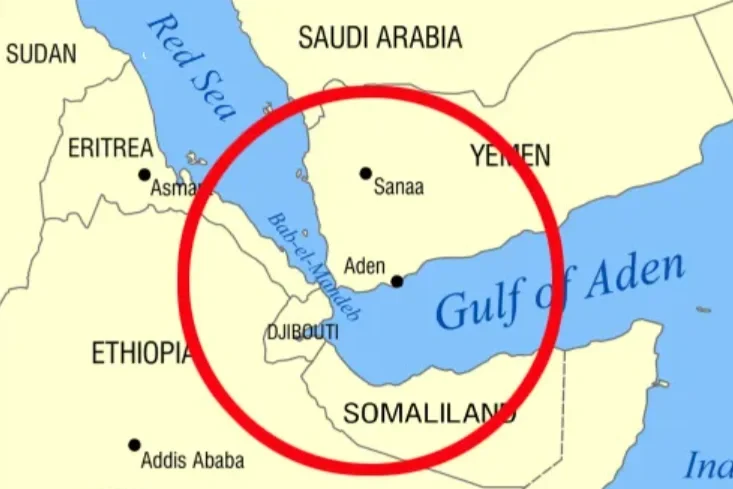
Why Do Red Sea Routes Matter?
trade, especially for container freight moving between Asia, Europe, the Mediterranean, and the Americas. Before the crisis, around 10–15 % of global maritime trade flowed through this region, with even higher percentages for containerised cargo. Rerouting around Africa adds distance, cost, and complexity to international supply chains.
Partial Return to Suez Canal
In early 2026, A.P. Moller-Maersk began resuming structural transits through the Red Sea and Suez Canal for select services, marking the first major shift back after years of rerouting. These controlled returns, on routes such as the MECL service linking the Middle East and India with the U.S. East Coast, are based on improved regional stability, including a ceasefire that reduced hostilities in late 2025.
Additional carrier collaborations, such as expanded sailings by Hapag-Lloyd under the Gemini network, aim to restore shorter routing options where security assessments allow.
Continued Caution
Despite these moves, full industry-wide restoration of Red Sea traffic is not guaranteed. Several major carriers, including CMA CGM, have reversed or paused planned Suez routing returns, citing ongoing complexity in the operational and geopolitical context.
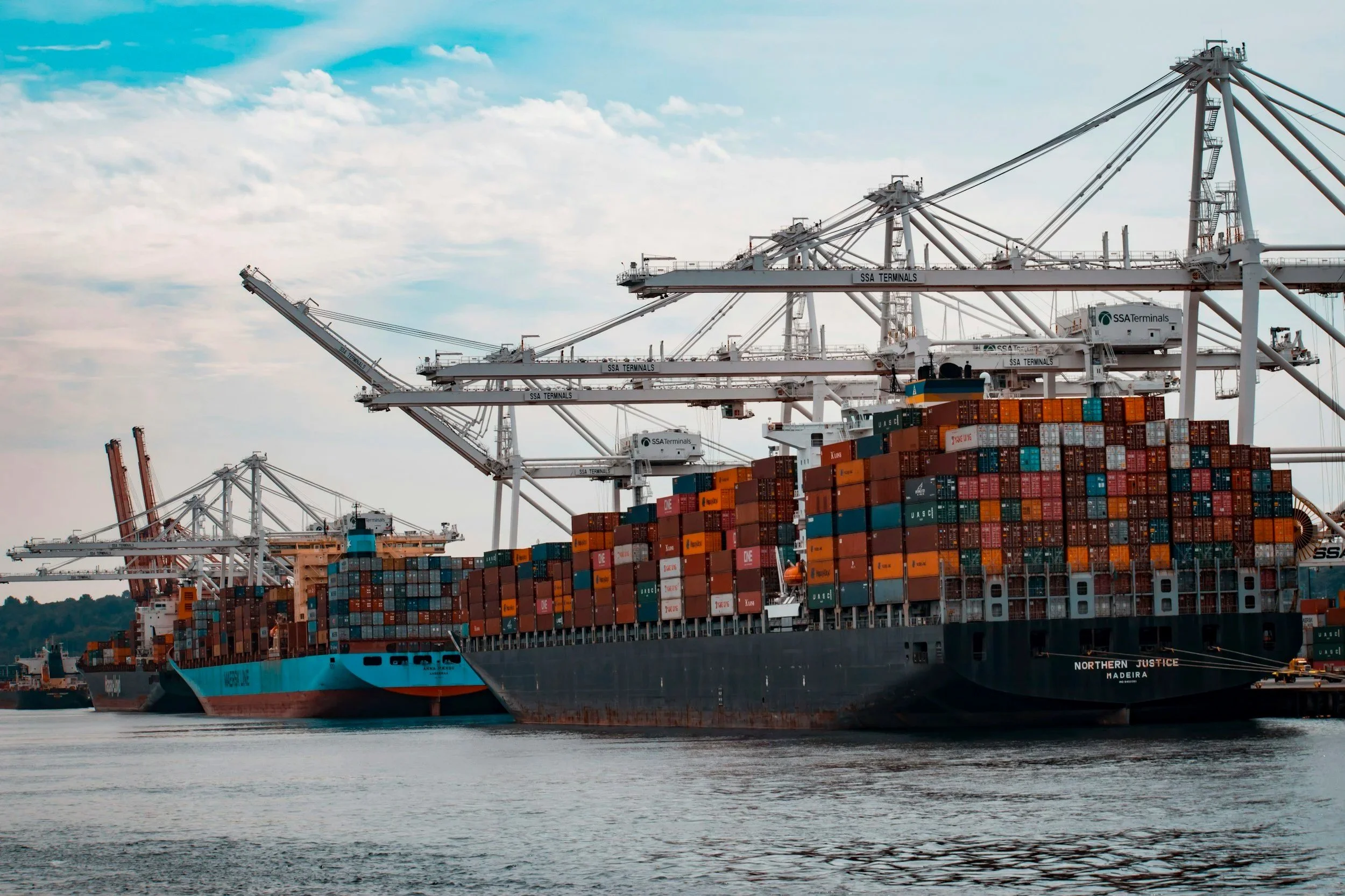
Other lines, such as ONE and Hapag-Lloyd, have publicly stated they will not yet resume regular transits until stability and crew safety conditions are consistently met.
Impact on Freight Rates and Market Dynamics
The Red Sea disruption has had and continues to have significant effects on freight pricing and capacity:
Freight rate volatility: Rerouting around Africa has kept supply tight on key routes even as carrier capacity expanded, leading to higher spot and contract rates at points during 2024–25. Rate structures fluctuate with demand, overcapacity, and routing decisions.
Overcapacity pressures: Even as some carriers return to the Red Sea, industry analysts warn that overcapacity could push rates down in 2026, particularly if shorter routes are broadly reinstated and competition intensifies.
Contract negotiations: Early industry blogs have noted that the return of Red Sea sailings is already influencing 2026 container shipping contract talks, affecting pricing expectations for long-term agreements.

Effects on Transit Times and Logistics
Shorter voyages return where possible: When carriers can use the Red Sea and Suez Canal, voyage durations can shorten by up to a week compared with the Africa detour, improving delivery predictability.
Rerouting remains common: Many services are still avoiding the corridor due to residual risk, meaning longer transit times and fuel usage continue to impact schedules, equipment availability, and emissions on key trade lanes.
Broader Supply Chain Consequences
The disruption’s impacts go beyond just the Red Sea region:
Inventory and scheduling disruption: Many companies reliant on just-in-time delivery had to adjust planning and hold greater buffer stock, particularly for goods moving from Asia to Europe.
Port congestion: Alternative routes around Africa have led to delays and congestion pressures at major ports as vessels take longer to complete voyages.
Insurance and surcharges: Even with fewer attacks, war-risk and contingency premiums remain factors in freight cost calculations on high-risk corridors.
Practical Steps for Shippers
While the geopolitical situation is out of any single business’s control, there are actions importers and exporters can take to manage uncertainty:
-
Add buffer time to critical shipments to accommodate possible rerouting or delays.
Secure space and negotiate contract rates sooner rather than later. goes here
-
Evaluate alternative routes or transshipment hubs if direct transit remains risky.
Stay informed about carrier schedule announcements and routing strategies.
-
Account for potential surcharges, insurance changes, and fuel costs tied to longer routes or risk adjustments.
Final Thoughts

The Red Sea disruption of 2023–2025 reshaped global maritime routing and logistics strategies. In 2026, early signs of a partial carrier return to traditional routes are emerging, but confidence among shipping lines, insurers, and shippers remains cautious and conditional on geopolitical stability.
While full normalisation of traffic volumes is not yet established, ongoing monitoring, flexible planning, and understanding carrier strategies will be essential for businesses operating in this environment.
Our Ongoing Monitoring & Updates
At ARC Forwarding, we are actively monitoring developments relating to the Red Sea and Suez Canal situation, including carrier routing decisions, security updates, and impacts on transit times and freight costs.
This page will be reviewed and updated regularly to ensure it remains a reliable and current resource for our customers. If you have shipments that may be affected or would like tailored advice on routing and planning, please contact our team for the latest guidance.